History of Goat Cheese
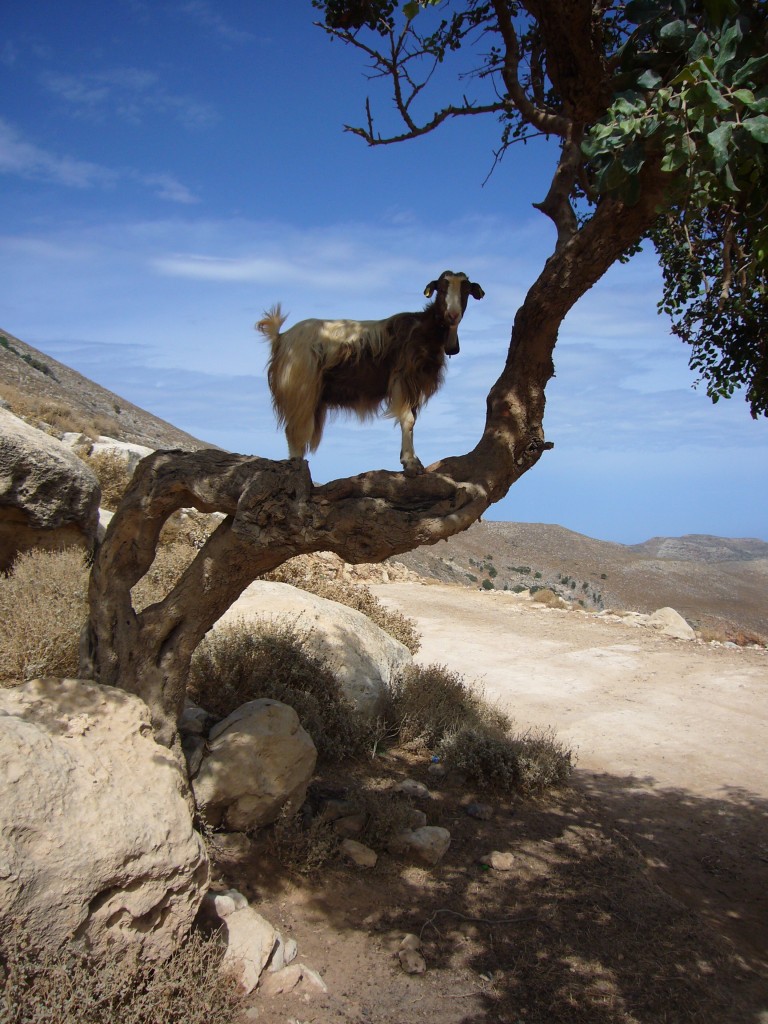
About 9,000 years ago, in what we know today as Iran, villagers began to herd, feed, and tame wild goats in exchange for meat, milk, and hides they provide. Goats are foragers and thus can survive in rough terrain. Goat’s cheese was often considered “peasants’ fare” because goats are relatively easy to care for, unlike cows, and goat cheese is fairly simple to make.
In the 8th century A.D., the Moors brought goats to the Loire Valley in France and civilians there began making goat cheese or chèvre which quickly spread in popularity. Goat cheese is now mass produced globally and continues to be produced at small artisanal farms too.
How to Make Goat Cheese
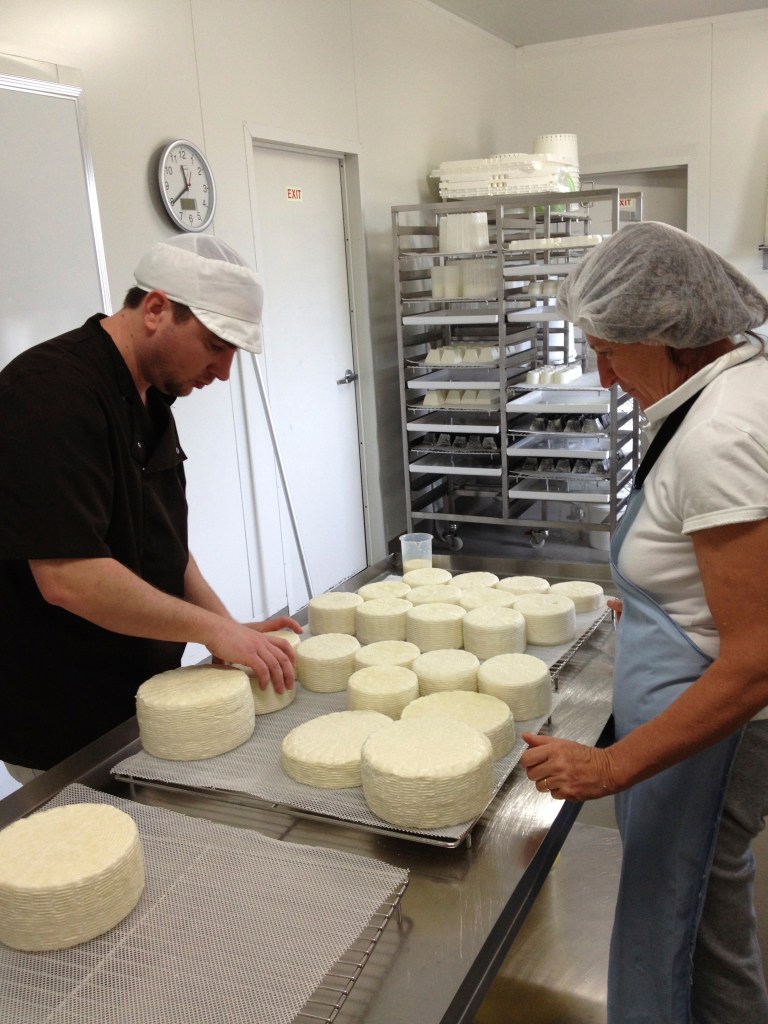
Like other cheeses, goat cheese is made via the process of coagulation of the goat milk – separating the solids (curds) from the liquids (whey). Rennet can be added to make an aged cheese or vinegar/lemon juice to make a fresher cheese.
The most important part of goat cheese making is the milk (what you feed the goats can impact the taste of the milk, and thus, the cheese). Goat’s milk has a higher concentration of fatty acids but less milk protein than cow’s milk. The fatty acids such as caproic, caprylic, and capric acid give the goat cheese its tangy flavor and the lower amount of milk protein is what gives the cheese its smoother, creamier texture. Aged goat cheese has a more mild flavor and firmer texture than fresh goat cheese, which ages for only a few days or weeks and has a soft texture perfect for spreading onto toast or a cracker.
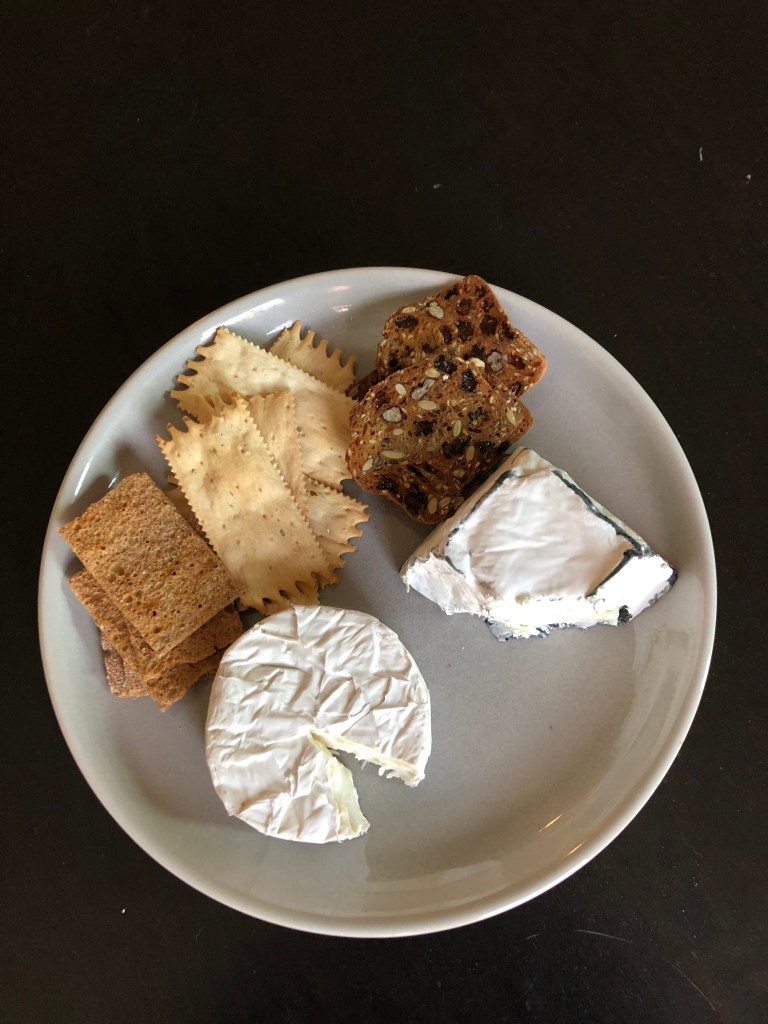
Goat’s milk can be used to add a twist on other cheeses such as brie (check out my next post for more on goat’s milk brie!). Ash-covered goat cheese (which was used for my tasting panel) has a thin bluish-grey rind made of ash, which is used to protect the cheese and can also be a fun aesthetic touch.
Highlights from my Goat Cheese Tasting
When asked what do you specifically like about this cheese, participants responded:
- love the creamy texture and color (especially the ash trim)
- kind of squishy, not too hard
- like: salty, soft textures
When asked to describe the way the cheese felt in their mouths, participants responded:
- smooth and cool
- squishy, spongey, wet
- soft, smooth
When asked to rate the texture of the cheese (0-10), the average rating was 6.
To see the rest of my results from this tasting click the link here!
 Exploring Cheese Textures
Beautiful entry. Love the goat in the tree and the smooth transition to the Google Sheets form. Great work!
LikeLike