History of Feta Cheese
The history of feta cheese dates back about 8,000 years ago to ancient Greece. According to Greek mythology, the gods sent the son of Apollo to teach the Greeks cheesemaking. Many Greek comedy writers including Aristotle and Pythagorus have recorded the production and consumption of cheese during this time.
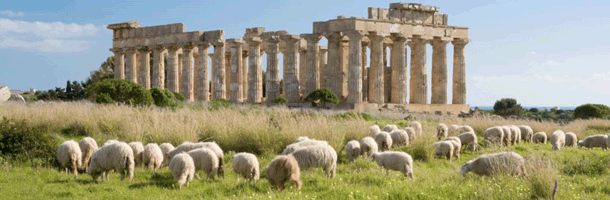
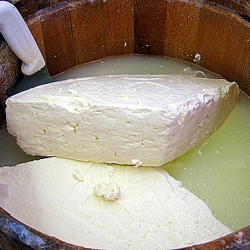
It is believed that the ancestor of feta cheese is described in Homer’s Odyssey, written in the 8th century B.C. In the myth, Cyclope Polyfimos discovered this cheese while transporting milk from his sheep in skin bags made of animal stomachs. He soon realized that the milk had formed curds, taking a solid (and tasty) form. The word feta, which originated in the 17th century, means slice in Greek, probably because ancient greeks sliced up the cheese to store in barrels.
New markets for feta cheese arose in the 20th century when Greek immigrants traveled to various countries, including the U.S., and took their dietary traditions with them. The market for feta soon became international!
How to Make Feta Cheese
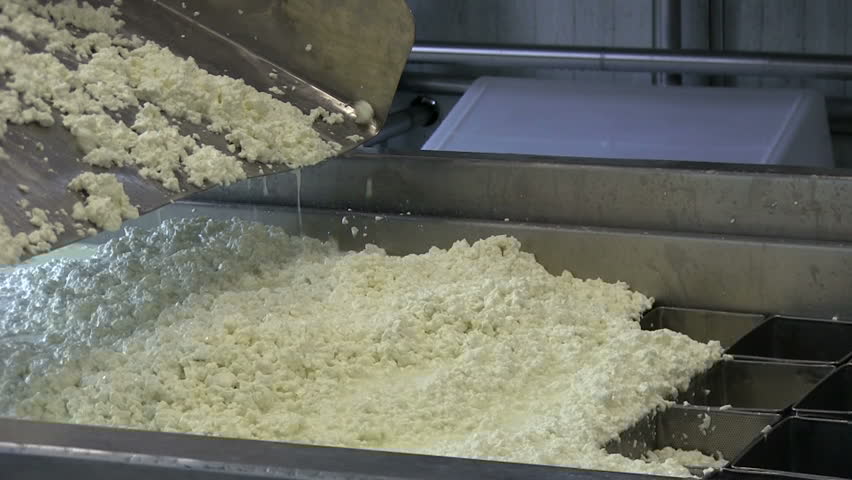
- acidify and heat milk (once given temperature is reached, the culture is added. Allow 40-60 minutes for ripening)
- coagulate with rennet
- cut & gently cook curd
- remove the whey
- form the cheese
- salting
- brine storage
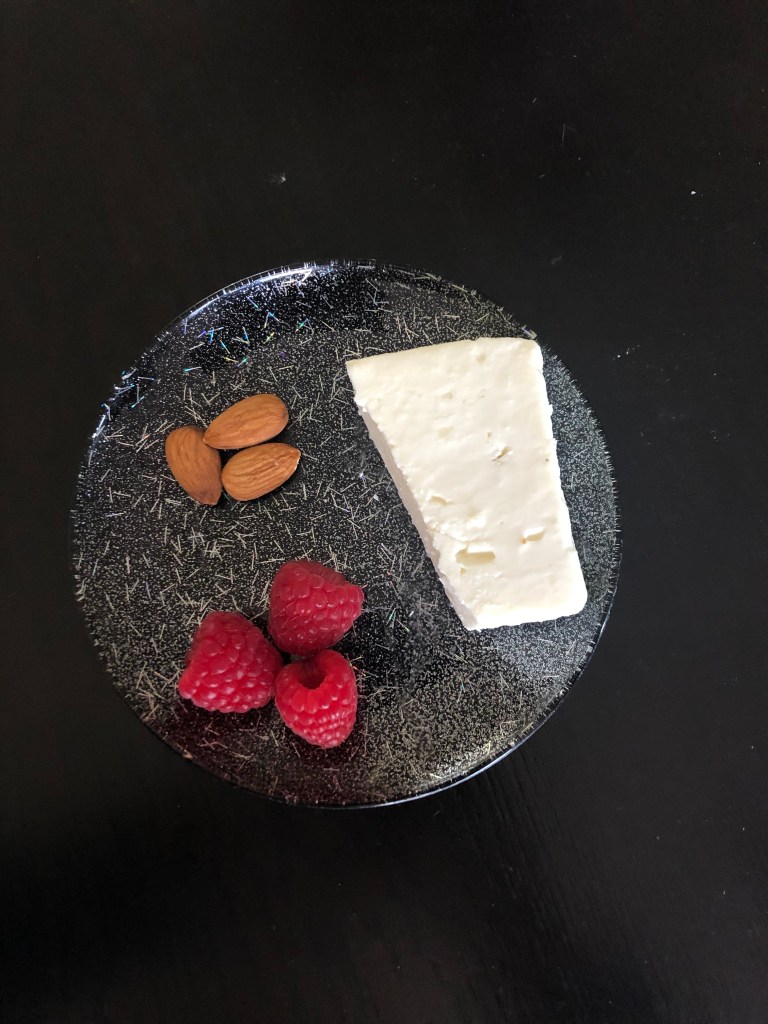
Highlights from my Feta Cheese Tasting
When participants were asked what they liked/disliked about the cheese, they responded:
- I like how this cheese crumbles when it is rolled around in your mouth
- I like that the cheese is a little squishy, but doesn’t totally come apart in your mouth
- smooth, salty, creamy, good texture. dislike nothing.
When participants were asked to describe how the cheese feels in their mouths, they responded:
- it feels cold, chunky, semi-hard
- soft, squishy, and easy to eat
- smooth but also slightly crumbly
When asked to rate the cheese’s texture on a scale of 0-10 (dislike-like), the average rating was 8.7
To see the rest of my results from this tasting, click the link here!
 Exploring Cheese Textures