Bacterial cultures (aka lactic acid bacteria) are an important part of the cheese-making process. They provide the distinct flavor and texture of your favorite cheeses.
Starter cultures are used to help with the coagulation process by lowering the pH before the addition of rennet. The metabolism of these cultures add to the flavor of the cheese and help prevent the growth of pathogens. Adjunct, or, supplementary cultures are used to enhance the flavors and textures of cheese. These are added during the manufacturing process. Cheeses such as cheddar, Swiss, and gruyere all have adjunct cultures.
Yeasts and molds are also used in some cheeses to provide specific colors and flavors. Cheeses such as camembert, brie, and blue cheeses have molds.
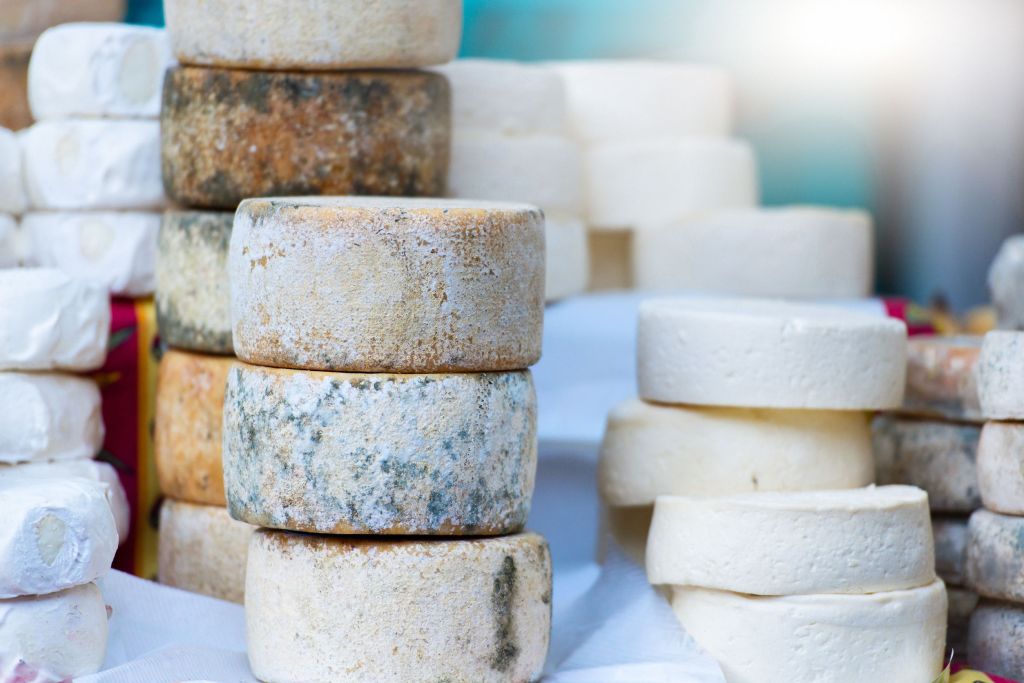
Cheese can be made using pasteurized or raw milk, which can affect the flavor and texture of the cheese. Cheese made from raw milk must be aged for 60 days to avoid exposure to possible pathogens present in the milk. Processed cheese is made from natural cheese (made directly from milk) plus other ingredients which alter the texture and melting properties of the cheese to increase shelf life.
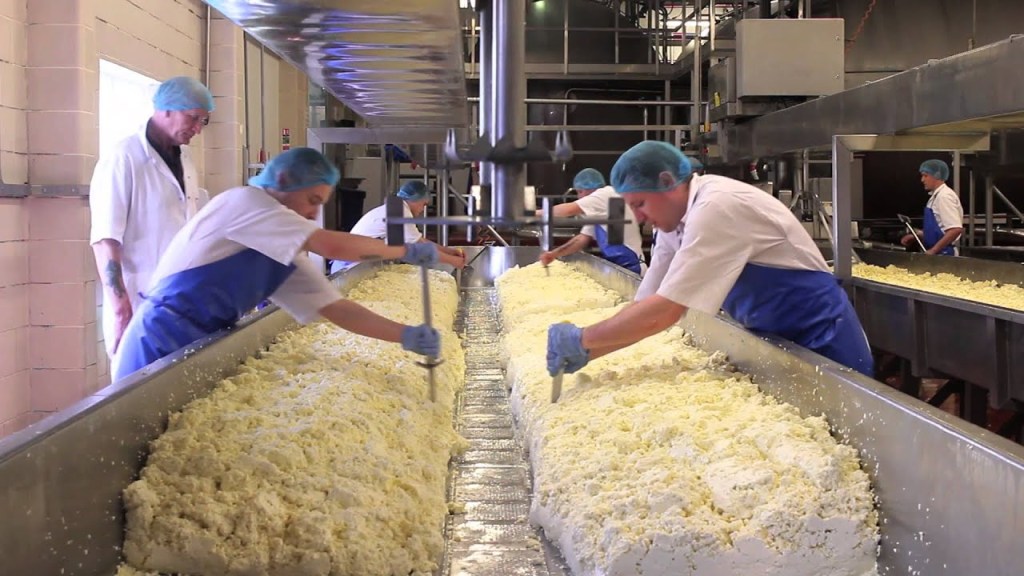
 Exploring Cheese Textures