History of Brie Cheese
Legends say that in the 8th century, Prince Charlemagne tasted Brie cheese at a monastery in Reuil-en-Brie and fell in love with its “creamy, rich flavor.” Brie soon became a favorite among commoners too, and today, it is commercially manufactured and sold worldwide. Authentic brie, however, can only be made in Seine-et-Marne, a region to the south of Paris. There are many types of brie, but the “finest French brie” is called Brie de Meaux.

Goat Brie vs. Cow Brie
Brie cheese can be made with goat’s milk or cow’s milk, but for my tasting I chose to use goat’s milk brie which has significant differences from cow’s milk brie in its texture, smell, taste, and appearance. The smaller fat globules in goat’s milk keep the cream incorporated instead of rising to the top, as in cow’s milk. For some people, this makes goat’s milk easier to digest. Goat’s milk contains less fat, protein, and calories than cow’s milk and more vitamin A, vitamin B1, and riboflavin.
Some key characteristics of goat’s brie include: slightly tangy, earthy flavor (somewhat reminiscent of mushrooms), bright white inside, and an edible rind. Goat brie has a creamy texture, but is firmer and not as runny as cow brie. Goat brie also has a whiter color, less yellow like cow brie. The difference in color occurs because goats convert carotene from grass and hay into colorless vitamin A while cows do not convert the carotene, leaving their milk a yellowish hue.
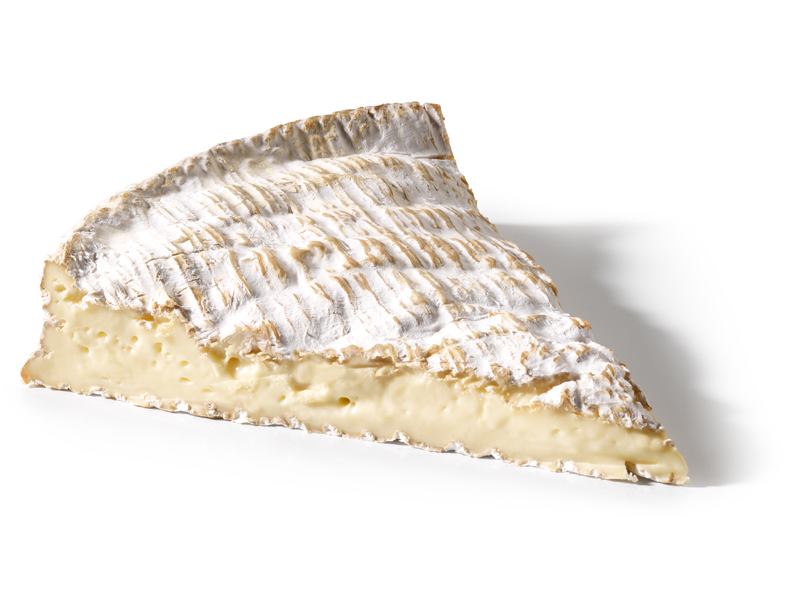
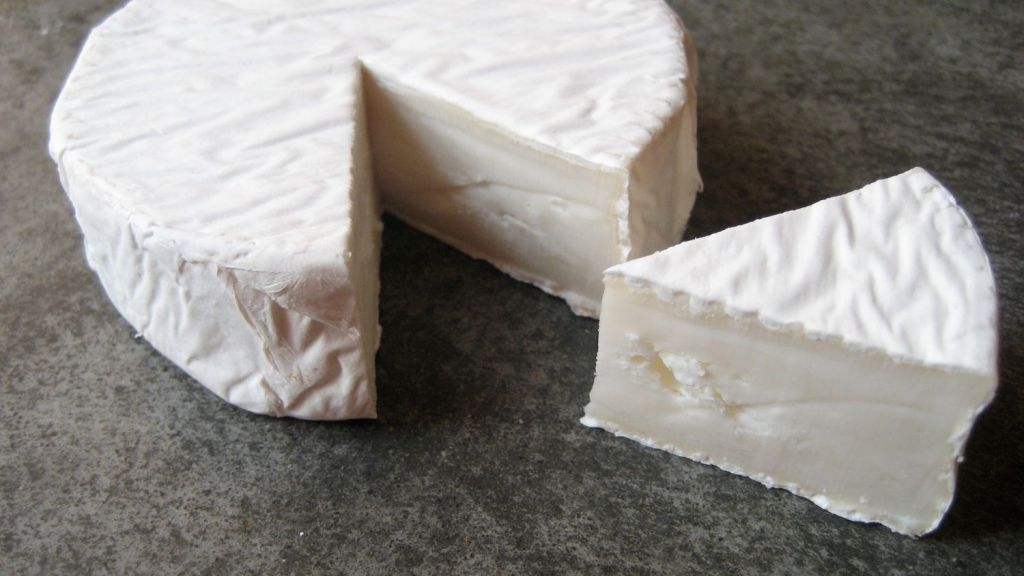
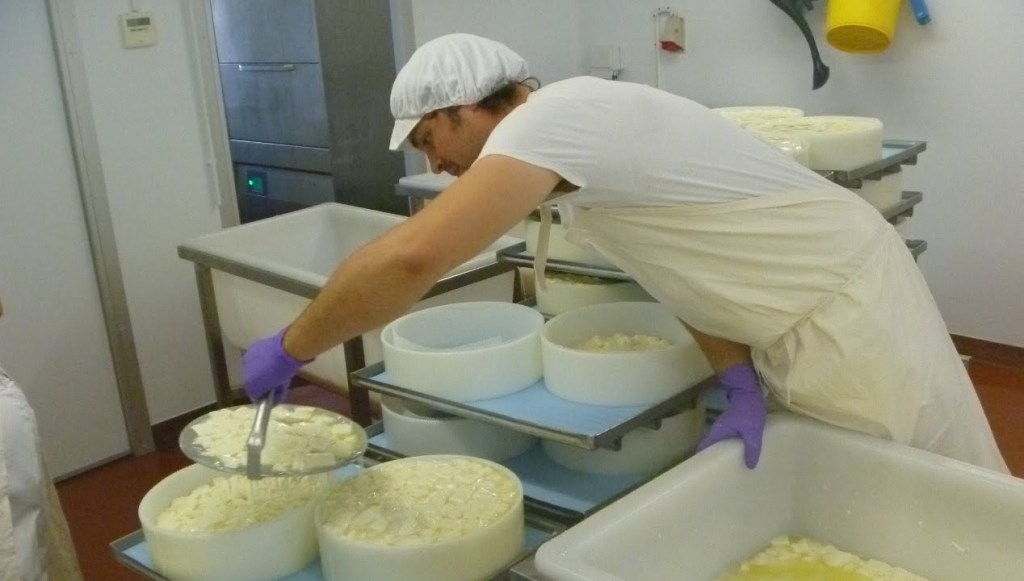
How to Make Goat Brie
Goat brie is made in the exact same way as cow brie! First, rennet and enzymes are added to the milk. Then, the milk is heated to form curds and these curds are packed into molds. Next, yeast is added to feed the the Penicillium candidum mold which is responsible for the “bloomy” rind. Don’t be afraid to eat the rind! It is edible and meant to enhance the cheese tasting experience.
Fun Fact: Because the U.S. requires cheeses made with unpasteurized milk to age for 60 days, a true French brie made from raw milk cannot be purchased in the U.S.
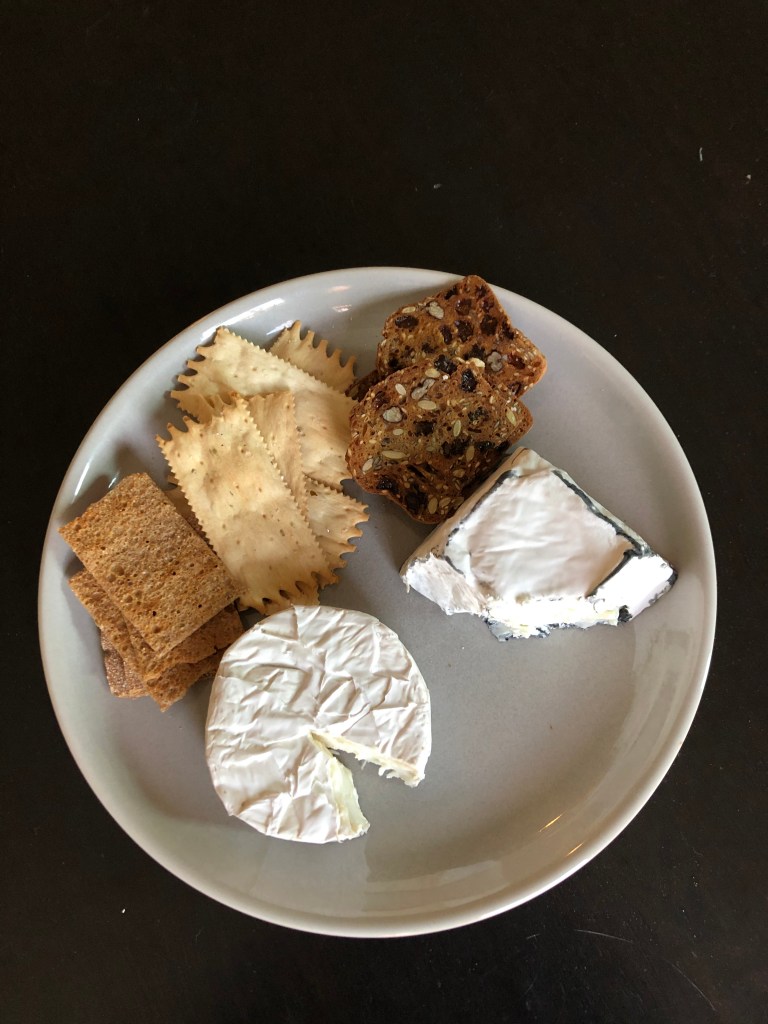
Highlights from my Goat Brie tasting…
When participants were asked what they specifically liked or disliked about the cheese, they responded:
- chewy, texture not great
- I like the firmness and creaminess
- the cheese looks appealing, but I don’t like the chewiness
When asked to rate the color of the cheese (1-10), the average rating was 8.
When asked to rate the texture of the cheese (1-10), the average rating was 6.
To see the rest of my results from this tasting, click the link here!
 Exploring Cheese Textures
Glad to see more on this cheese. Just made a lovely appetizer with goat cheese and portabella mushrooms.
LikeLike