History of Cheddar Cheese
Cheddar was named after the village of Cheddar in Somerset, England in the 12th century. After its discovery, cheddar became popular among nobles and was even featured at royal banquets.
Fun Fact: King Henry II purchased over 10,000 pounds of cheddar cheese and declared it the best cheese in England.

Today, cheddar cheese is made and sold internationally! Cheddar is one of the most popular cheeses in the U.S., following mozzarella. In 2011, this cheese accounted for 36.7% of cheese sold in the U.S.
Cheddar cheese comes in many different forms. Its hues range from “milky white to pumpkin orange.” Cheddar cheese is naturally a creamy yellow color, but an orange dye called annatto is often added to the cheese. This orange dye can be found on achiote trees in South America, Mexico, and the Caribbean. The orange color tricks consumers into thinking the cheese has a richer flavor.

How to Make Cheddar Cheese
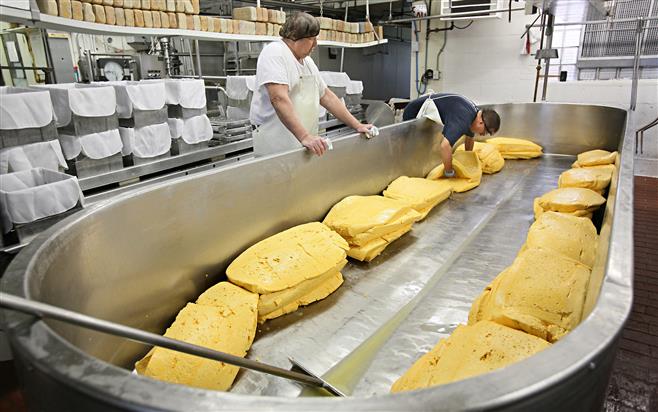
Cheddar has been made via a process called “cheddaring” since 1857. In this process, curds are stacked atop one another and pressed to remove the liquid (whey). The process is repeated until the desired amount of moisture is removed. The more liquid that is drained from the curds, the firmer the cheese will be. The cheddaring process was revolutionary in that it stopped the growth of microorganisms that gave rise to bacteria. It also gives cheddar its dense, layered texture.
After the cheddaring process, the cheese is aged. Mild cheddars need 3 months of aging whereas medium/mature cheddars need anywhere between 3-6 months of aging. Sharp cheddar can be aged for anywhere between 9 and 18 months.
Fun Fact: Cheddar experts believe cheddar is best consumed after 5-6 years of aging.
Highlights of My Cheddar Tasting
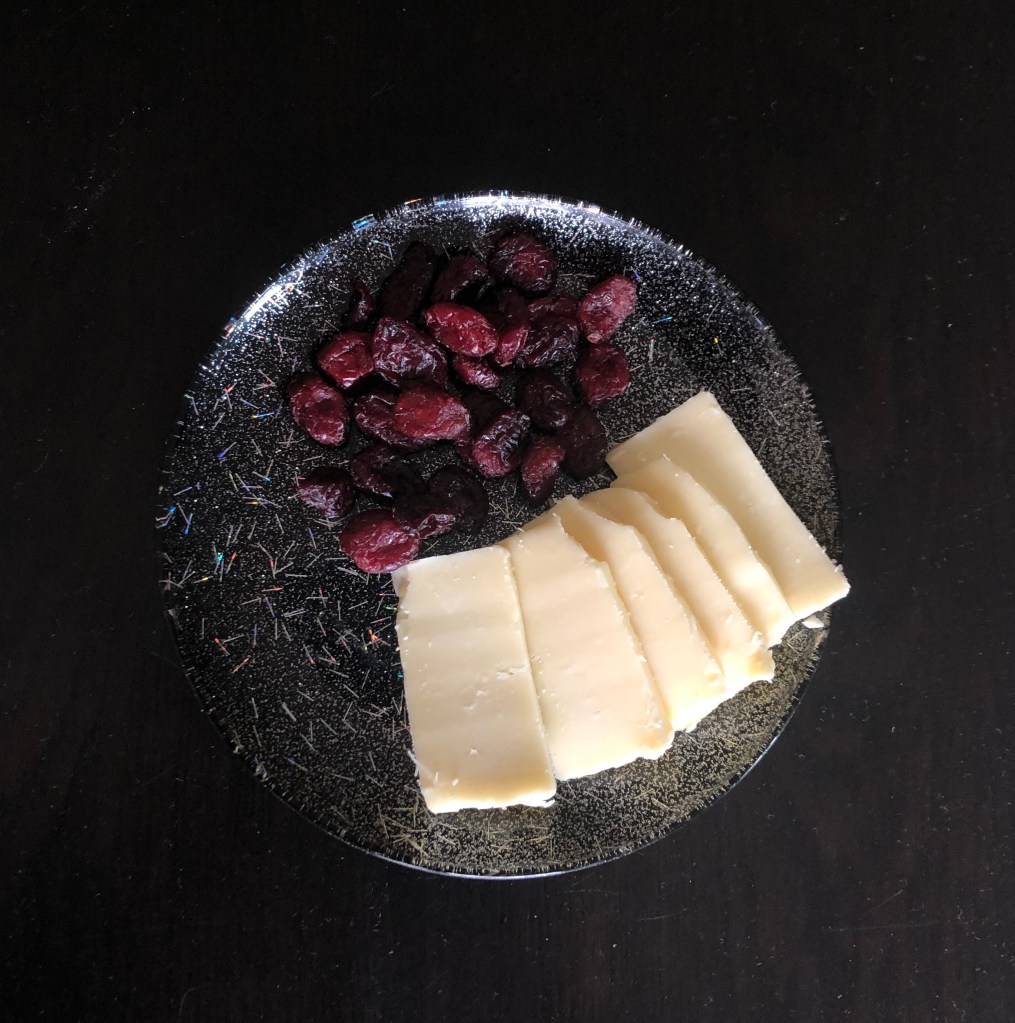
For this tasting, I gave participants sharp cheddar cheese!
When participants were asked what they liked/disliked about the cheese, they responded:
- It is a hard cheese with a firm feel but it started melting in my mouth as I chewed it
- Like: pretty solid feel in my mouth, easy to eat. Dislike: waxy consistency.
- Like: texture, firmness, smoothness, creamy. Dislike: none.
When participants were asked to describe how the cheese feels in their mouth, they responded:
- hard then melts
- waxy, cube-y
- smooth, creamy, firm
When participants were asked to rate the texture on a scale of 1-10 (dislike-like), the average rating was 8.6
To see the rest of my results from this tasting, click the link here!
 Exploring Cheese Textures
Brilliant. One of my faves!
LikeLike