History of Manchego
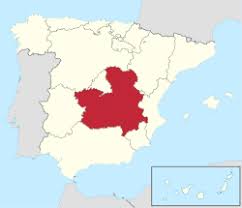
Manchego is made in the La Mancha region of Spain. It is made from the whole milk of Manchega sheep, which are only bred in the La Mancha region. There is record of the cheese dating back to the early 1600s, as it was mentioned by Cervantes in the famous Spanish novel “Don Quixote of La Mancha.” However, there is archaeological evidence showing that the cheese could have been made as far back as the Bronze Age.
Key Characteristics of Manchego
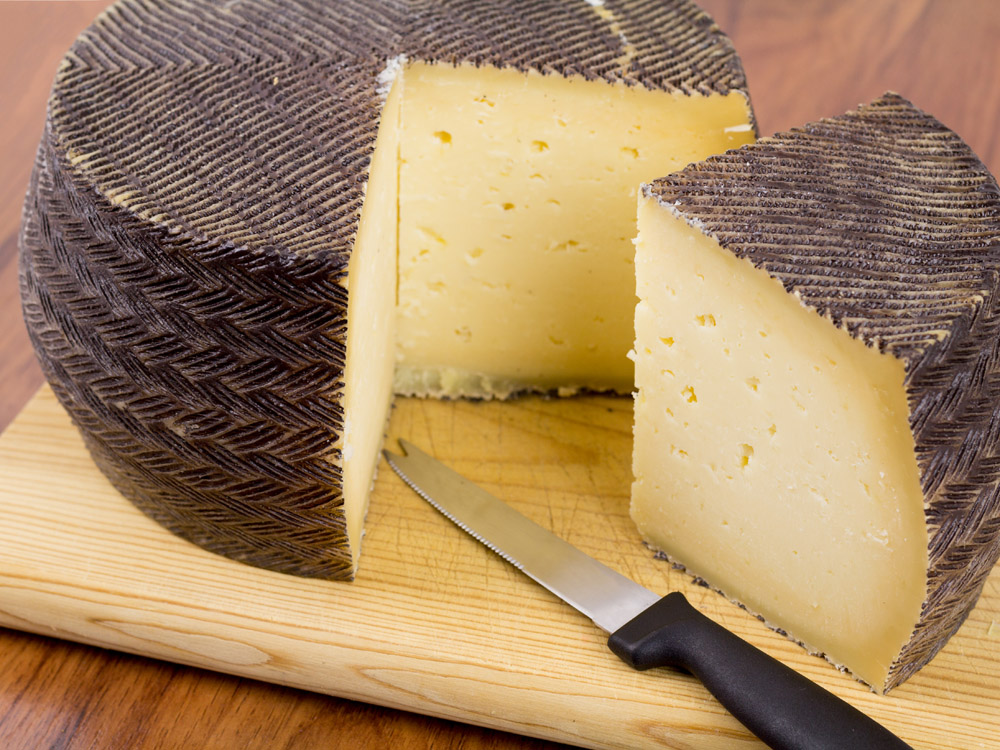
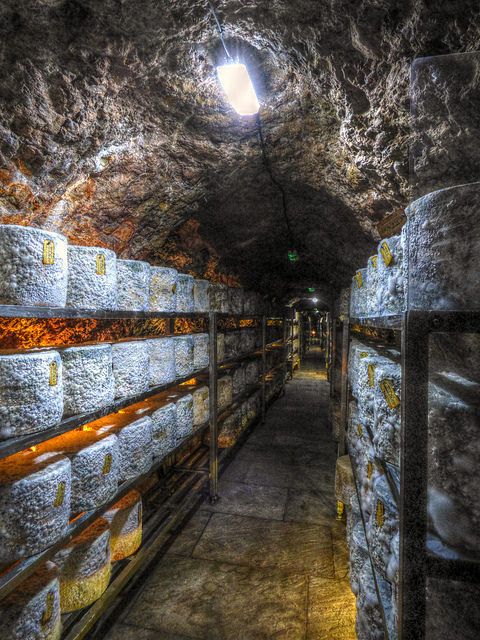
Manchego is traditionally made with grass molds which gives the cheese a signature zigzag pattern on the (inedible) rind. It has a “caramel, nutty flavor with some acidity”. The cheese has a crumbly texture, rich flavor, and a golden color with tiny holes. It is traditionally aged in natural caves for 2-6 months – the longer the cheese is aged, the stronger the flavor.
- Heat the milk
- Add the cultures and rennet
- Stir and cut the curd into pieces
- Heat the curd and drain the whey
- Soak cheese in a saturated brine for 6 hours
- Rub the surface with olive or coconut oil and place in your cheese cave
Highlights from my Manchego Tasting
When participants were asked what they liked/disliked about the cheese, they responded:
- I don’t like the feel of it in my mouth as I chew it.
- I like the fullness of the cheese in my mouth. I disliked how dry it tasted as i swallowed.
- like the grit in it; dislike the softness
- like: texture (smooth), firm slices. dislike: color, no taste, can’t breathe
When participants were asked how the cheese felt in their mouths, they responded:
- hard and dry
- waxy, full-bodied, hard
- sandy dry
- smooth, individual pieces
When participants were asked to rate the texture of the cheese from 1-10 (dislike-like), the average rating was 5.8
To see the rest of the results from my tasting, click here!
 Exploring Cheese Textures